Do we have it backwards? Perhaps we missed the whole point?
Our culture and industry inherited the framework of a six-day work cycle directly from religion, where God labored for six days and rested on the seventh. Without the Jewish Sabbath, which we now recognize on Saturday, we might very well be working six days a week today. That rhythm shaped Western assumptions about effort, rest, and the moral weight we assign to productivity.
We say we have to work, while we get to take a day off. Achievement sits at the center. Play gets the leftover space.
Yet earlier translations of Proverbs describe the activity behind the world’s unfolding not as labor, but as play. Not toil. Not strain. Not production. Something lighter. Something more like participation than performance.
Still, modern life has turned play into another branch of work. We schedule it. We organize it. We judge it by outcome, skill, and improvement. Even leisure becomes a task to complete.
On the other side, we romanticize the idea that if you love what you do, you will “never work a day in your life.” But this is its own form of striving, a subtle attempt to make work feel sacred by reframing it as play, while keeping it tied to productivity and achievement.
So the real question remains.
Is life defined by what we do, or by who we are?
And more importantly, what if play is not a diversion from real life, but a return to it?
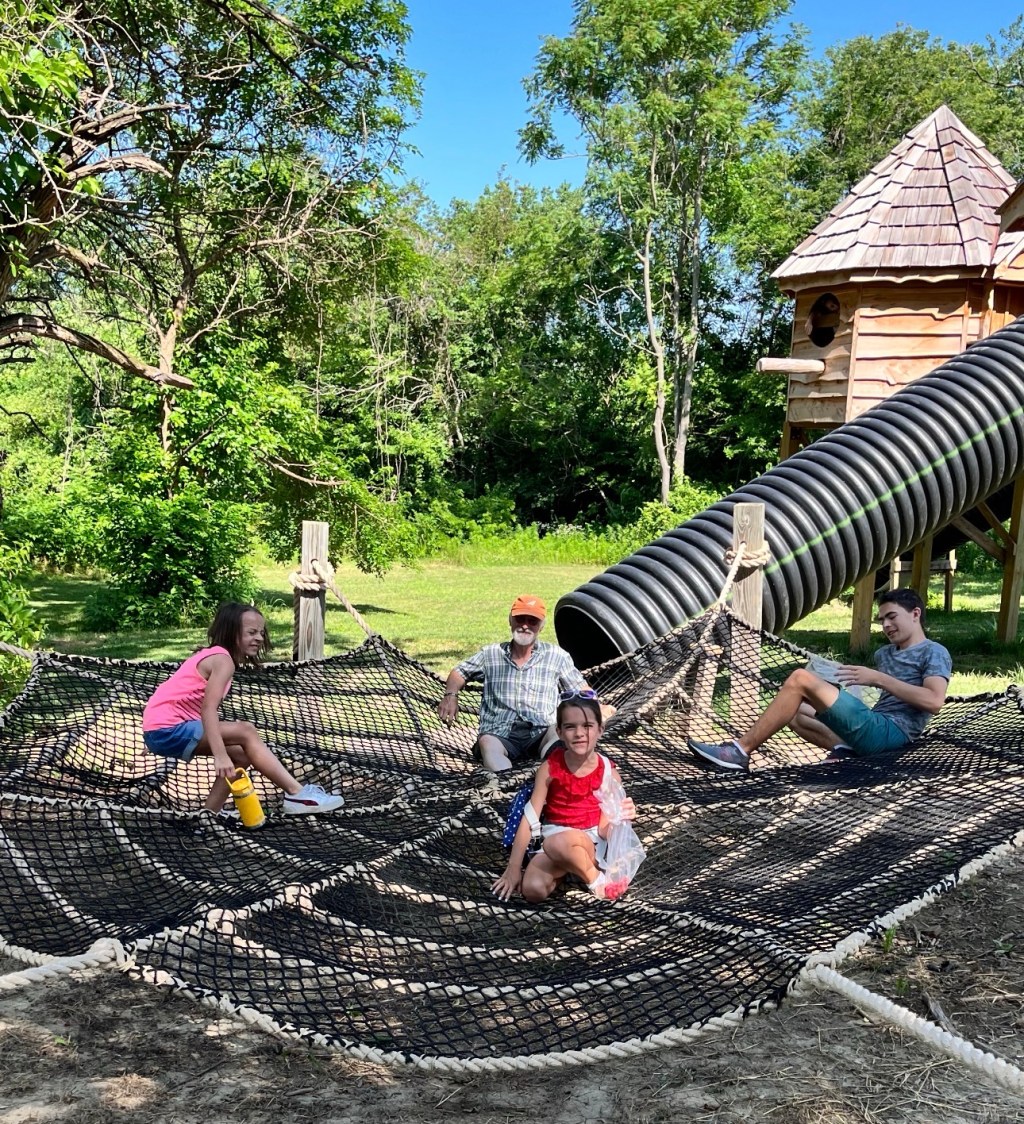
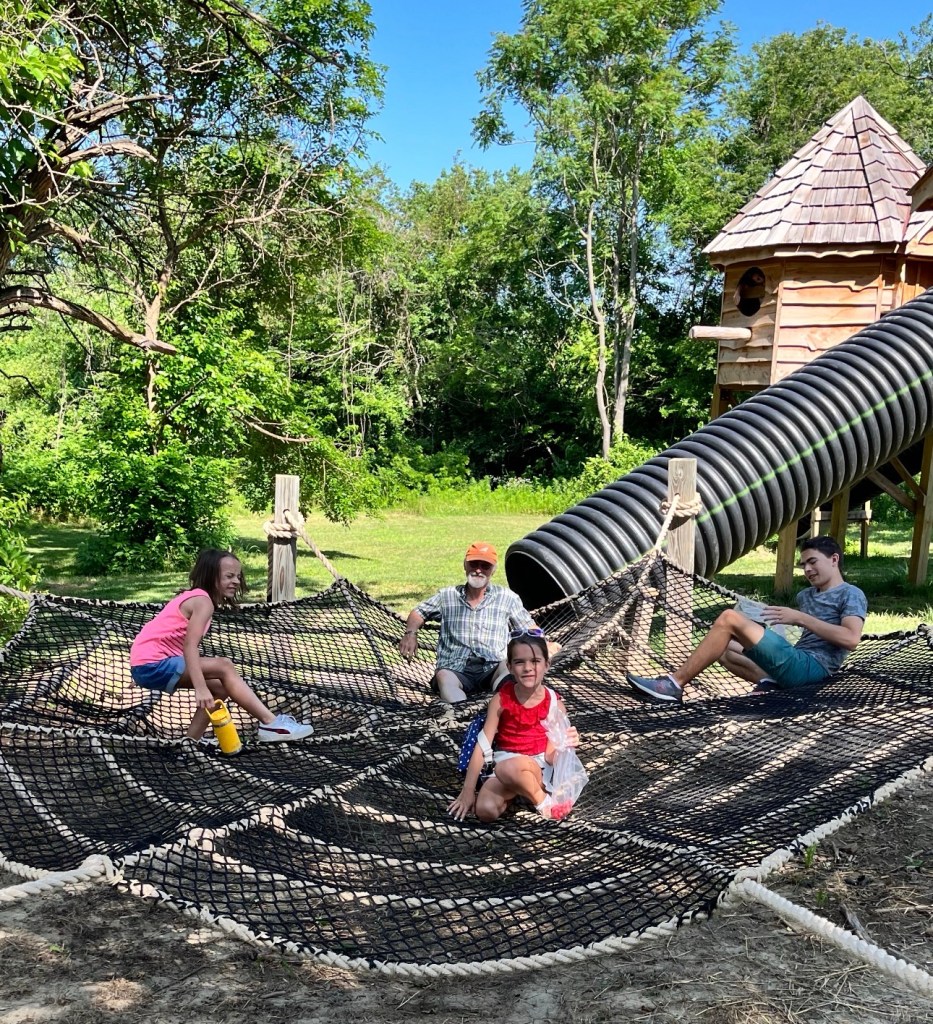
Play, in its truest sense, has no scoreboard. No proving ground. No finish line. It emerges when we stop measuring ourselves and start participating in the moment as it is. It comes from curiosity rather than pressure, presence rather than pursuit.
If worth is not earned, then play is not a luxury. It is a way of remembering our natural posture toward life.
Maybe the sacred is not found in how hard we try.
Maybe it is found in how openly we play.
So consider this an invitation.
To explore play as a holy endeavor.
To let it shape not just our downtime, but our way of being.
To live life not as a project to complete, but as something to join fully.
⸻
Thanks for reading, and for exploring these questions with me.
If this resonated, feel free to share or leave a comment about what play means in your own life.
Here’s to embracing a life of play!
Jan

Leave a comment