
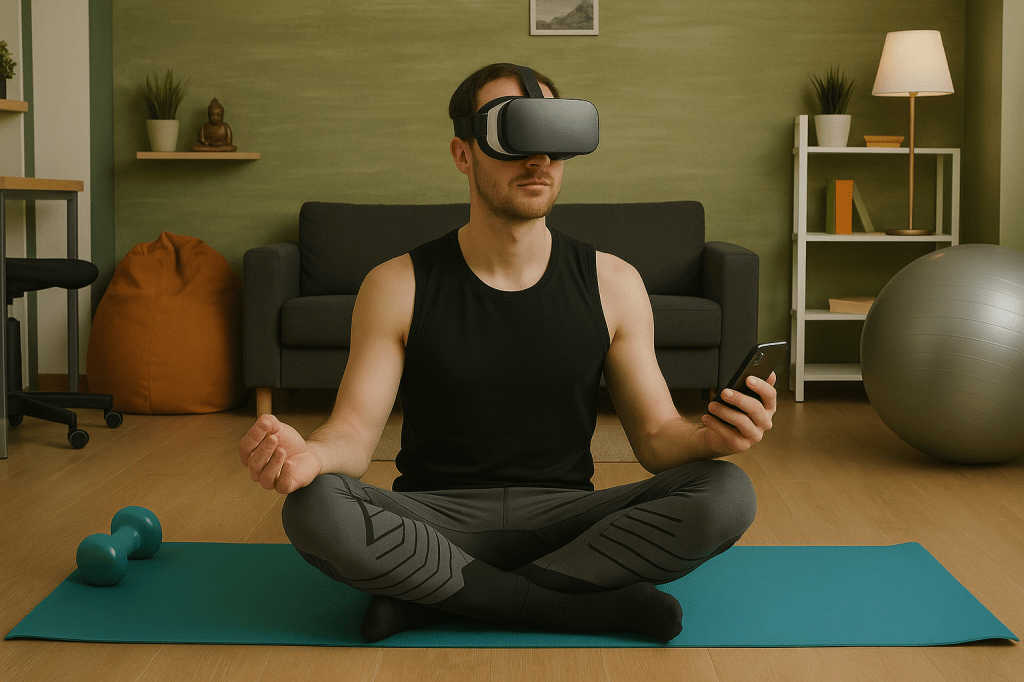
Digital communication is here to stay. Phones, tablets, and laptops keep us connected, informed, and often inspired. Yet they also compete for our most precious resource: attention. If mindfulness is the art of being present, what does that mean in a world built to distract?
What the Research Says
Studies increasingly show that how we use technology matters as much as how much we use it. A 2024 study in Scientific Reports found that just ten minutes of daily mindfulness improved mental health and focus, but constant phone checking quickly eroded these benefits. Another study in BMC Digital Health (2025) identified a “tipping point”: digital mindfulness tools are helpful until they start replacing self-awareness with self-tracking.
Even long-term practitioners notice this tension. A 2024 study of experienced meditators found that while they used technology to support their practice, timers, reminders, online communities, they also saw how easily helpful tools became habits of distraction. Mindfulness and technology can coexist, but one must lead and the other must follow.
Guidance from the Ancient Wisdoms
Ancient teachers spoke often of balance, presence, and simplicity.
One tradition speaks of heedfulness, or remembering to pay attention. Each time we check our phone without awareness, we drift from that teaching. Another offers the idea of effortless harmony with the natural flow of things. In daily life, this might mean pausing before reacting, letting conversations breathe, or simply not responding right away.
Both paths ask the same modern question: who is guiding your attention, you, or the device in your hand?
Practicing Presence in a Digital World
We do not need to abandon technology to live mindfully, but we do need to return to a conscious relationship with it. Here are a few small ways to begin.
1. Make mealtimes sacred again
Leave the phone in another room during meals. Taste your food. Look up. Let stillness become part of the meal.
2. Create phone-free zones
Bedrooms, bathrooms, and nature walks are natural sanctuaries. Treat them as such. A 2025 Harvard Gazette article noted that even short breaks from screen exposure restored calm and improved emotional regulation.
3. Try a digital fast
Choose one evening or weekend morning to silence notifications and put your phone away.
Before you begin, take a moment to notice your body and breath. Spend that time doing something simple: walking, reading, cooking, or sitting quietly. When you return to your phone, pause and ask, What am I picking this up for? That one breath creates space for choice.
4. Practice mindful re-entry
Technology is not the enemy; it is the environment. Each time you open your phone, begin with a short check-in: What is my intention? This practice is not about less connection, but truer connection.
Returning to Balance
The ancient wisdoms teach that craving leads to suffering and that being in nature restores equilibrium. Between those two truths lies our modern path: to engage the digital world with awareness and care.
Our devices are powerful servants but poor masters. Mindfulness invites us to reclaim our agency, to breathe before scrolling, to eat without swiping, to listen without glancing at a screen.
If you are seeking stillness in a noisy world, start small. Set your phone down. Step outside. Let the wind, not the algorithm, guide your next thought.
If you’ve taken a digital break, how did it go? What did you do?
Mindfully yours,
Jan

Leave a comment